Understanding Garage Door Opener Cable and Its Components
The garage door opener cable is a crucial component of your garage door system. Typically made of steel, this garage cable connects the door to the cable drum assembly, which winds the cable around the cable drum shaft as the door opens and closes. The cable ends attach to the door hardware using cable clips and brackets, providing secure anchorage.
Other important elements include the cable pulley, which guides the cable along the garage door track, and the roller guides that allow smooth door operation. Proper cable tension is vital to garage door resources prevent cable wear, fraying, or snapping. Over time, repeated use can cause the steel cable to weaken, especially near the cable end or where it wraps on the drum, potentially leading to failure.
Common Causes of Garage Door Cable Failure
Garage door cables can fail due to several reasons, often related to regular wear and tear or mechanical issues within the door system. Cable wear and fraying occur naturally over time, especially if the cable tension is too loose or too tight. A cable snap is a dramatic and dangerous event usually caused by prolonged wear, corrosion, or sudden overload.
Door imbalance and misalignment significantly strain cables because the motors and springs must work harder to lift uneven weight. Torsion spring failure or extension spring damage also impacts cable tension and overall door hardware performance. Additionally, problems with the pulley mechanism, such as worn or seized pulleys, cause abnormal cable wear and increased chances of failure.
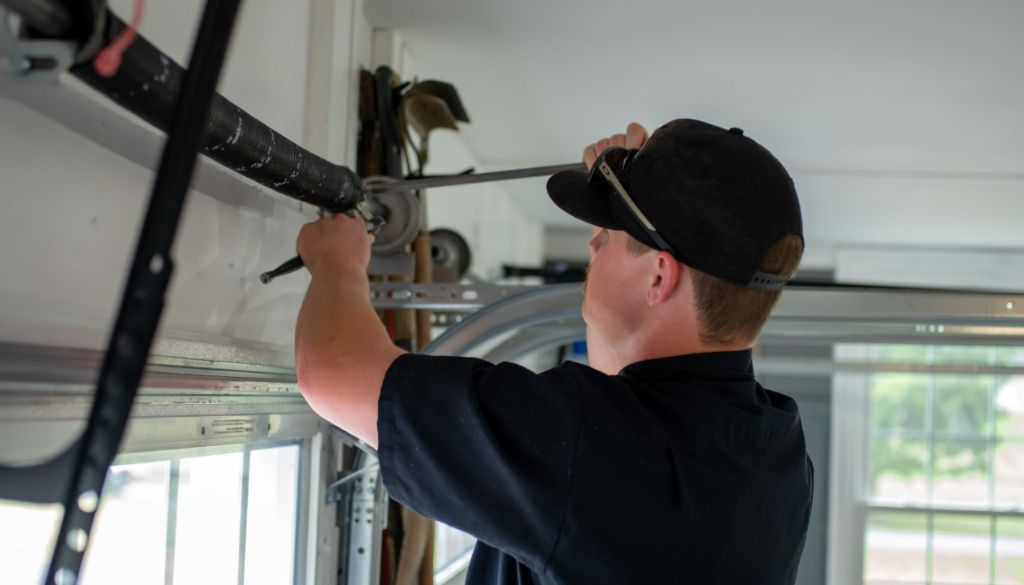
Signs Your Garage Door Opener Cable Needs Repair or Replacement
Knowing the symptoms of cable problems can help you act before complete failure occurs. Key signs include:
- Cable snap or visible fraying: Any broken wires or unraveling strands are red flags. Door not balanced: If the door feels heavier on one side or struggles to open, cables may be compromised. Garage door panel misalignment: This often accompanies cable slackness or uneven tension. Cable slack or hanging loosely: Indicates loss of tension or detachment from cable anchors. Unusual noises during operation: Grinding, squeaking, or banging sounds suggest cable or pulley issues. Door operation problems: Slow opening, jerky movements, or failure to fully open or close might result from faulty cables.
Tools and Safety Equipment Needed for Cable Repair
Repairing or replacing a garage door opener cable requires specific tools and safety gear to perform the job safely and effectively. Some essential items include:
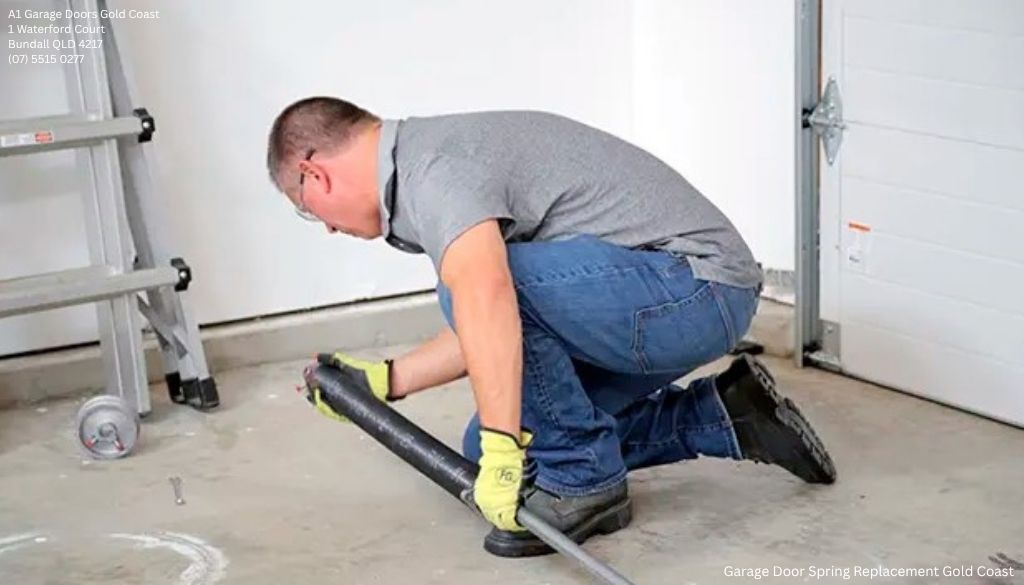
- Cable tension tools: Used to adjust proper cable tension after installation. Pulley wrenches and socket sets: To remove and adjust pulley mechanisms and hardware. Cable clips and cable brackets: Replacement parts that secure the cable ends and maintain alignment. Cable lubrication products: Special lubricants designed for steel cables and pulleys to reduce wear. Safety gloves: Protect hands from sharp cable ends and possible injury. Safety sensors overview: Awareness of sensor placements helps avoid accidental door activation. Emergency release mechanism knowledge: Understanding manual release allows safe disengagement from the opener motor unit.
Step-by-Step Guide to Repair or Replace Garage Door Opener Cables
residential garage door repairsFollow these detailed steps for safe and efficient garage door cable repair or replacement:
Cable Inspection: Begin by examining the cable for frays, wear, and tension irregularities. Check the cable drum assembly and drum shaft for damage or rust. Cable Removal: Disengage the emergency release to disconnect the door from the opener motor unit. Carefully remove cable clips and brackets securing the old cable from the door and cable drum. Roller Guide Removal: Detach roller guides if necessary to create clearance for cable replacement. Drum Shaft Assessment: Inspect the drum shaft and cable drum for wear. Replace components if damaged to ensure smooth cable operation. New Cable Installation: Secure one end of the new steel cable at the cable anchor and carefully wind it onto the cable drum, ensuring no twists or kinks. Cable Tension Adjustment: Use cable tension tools to tighten the cable properly, maintaining balanced tension across both sides to keep door alignment intact. Cable Clip and Bracket Securing: Reattach all cable clips and brackets firmly to hold the cable in place and prevent slippage. Cable Lubrication: Apply lubricant along the entire cable length, especially around pulleys and the cable drum to reduce friction and protect against corrosion. Spring Adjustment: Check torsion or extension springs for correct tension settings, as improper spring load affects cable performance and door balance.How to Inspect and Maintain Garage Door Cables to Prevent Future Damage
Preventive maintenance is key to prolonging cable life and ensuring safe operation. Regularly inspect cables for signs of wear or fraying and check cable tension with appropriate tools. Lubricate cables and pulleys bi-annually to minimise friction and corrosion. Monitor door balance periodically by manually lifting the door halfway—if it stays put, tension is likely correct. Address any misalignment or hardware wear promptly to reduce cable strain.
Troubleshooting Common Garage Door Cable and Opener Problems
If your garage door is experiencing difficulties, consider these troubleshooting tips:
- Garage door troubleshooting: Listen for unusual noises or jerky movements signaling cable or roller issues. Opener diagnostics: Check the opener chain or belt for looseness or damage that can affect cable tension. Door rollers: Worn or damaged rollers increase friction and stress on cables. Opener chain vs belt drive: Each has unique effects on cable performance; belts tend to operate quieter and with less vibration. Door operation issues: Inspect manual release cables and ensure safety sensors are unobstructed and functioning.
When to Call a Professional Garage Door Repair Service
While many homeowners may undertake minor cable repairs, certain situations warrant professional intervention. Call a specialist if you encounter severe cable snapping, complex spring adjustment needs, or persistent door imbalance. Professionals have expertise in garage door repair, safety protocols, and opener installation, reducing risks associated with high-tension springs and cables. Emergency release malfunctions or repeated cable failure are also strong indicators to seek expert help to avoid injury and damage.
Garage Door Safety Tips During Repair and Maintenance
Safety is paramount during any garage door cable repair. Follow these precautions to protect yourself and others:
- Always wear heavy-duty safety gloves and eye protection. Disconnect power to the garage door opener motor unit before starting repairs. Understand and utilise the emergency release and manual release mechanisms properly. Keep fingers and clothing clear of cables, pulleys, and moving parts. Check that safety sensors are clean and aligned to prevent accidental door closures. Inspect door seals and weatherstripping regularly as damaged seals can lead to moisture ingress, causing cable corrosion. Use tools correctly and avoid improvised methods that might compromise door hardware.
Environmental Factors and Their Impact on Garage Door Cables
Environmental conditions such as humidity, temperature changes, and exposure to moisture dramatically affect cable durability. High humidity can accelerate rusting and corrosion of steel cables and door hardware if not properly lubricated. Temperature fluctuations lead to cable expansion and contraction, which can cause premature wear or loosening. Maintaining the door seal and weatherstripping prevents water and dirt entry, preserving cable integrity and prolonging component life.
Emergency Procedures if a Cable Snaps Mid-Operation
A cable snap can be sudden and dangerous. If this occurs, immediately stop using the garage door opener and disconnect its power source. Do not attempt to manually operate the door without assistance, as the door might be unbalanced and heavy. Engage the emergency release mechanism carefully to disengage the door from the opener motor unit. Contact a professional technician promptly to assess and repair the damage safely, as improper handling of a broken cable and associated springs can result in serious injury.
FAQs about Garage Door Opener Cable Repair
- How do I know if my garage door opener cable is broken?Look for visible fraying, cable slack, door imbalance, or the door not operating smoothly. Unusual noises or a cable snap sound also indicate breakage. Can I repair my garage door cable myself or should I hire a professional?Minor cable adjustments and inspections may be DIY-friendly, but significant repairs, especially involving springs and snapped cables, are best handled by professionals. What tools do I need to replace a garage door cable?You'll need cable tension tools, pulley wrenches, cable clips and brackets, lubricant, and safety gloves among others. How long does a garage door cable typically last?With regular maintenance, steel cables can last 7-10 years, depending on usage and environmental factors. What safety precautions should I take when repairing garage door cables?Always disconnect power, wear protective gloves, follow emergency release operation, and avoid working alone. Why does my garage door cable keep snapping?Repeated snapping often results from improper cable tension, worn springs, door imbalance, or poor maintenance. How do springs affect garage door cable tension?Torsion or extension springs provide counterbalance to the door’s weight, keeping cable tension stable. Worn springs cause uneven tension and increased cable strain. Is it safe to operate the garage door if the cable is frayed?No. Frayed cables can snap unexpectedly and pose safety risks. Repair or replacement should be done immediately. What is the difference between torsion spring cables and extension spring cables? Torsion spring cables work with a coil spring mounted above the door, providing balanced tension, while extension spring cables use springs along the door tracks. The type affects cable positioning and tension dynamics. How often should I inspect the cables on my garage door?Inspect cables at least twice a year and after extreme weather events to catch early signs of wear or damage.