Common Problems with Old Garage Doors
Old garage doors are prone to various issues due to prolonged exposure to the elements, frequent use, and natural material degradation. Recognising these common problems is the first step toward effective repair and maintenance.
- Garage door springs wear and breakage: Torsion springs and extension springs lose tension over time, often leading to breakage that can prevent door operation. Damaged door panels: Dents, cracks, and rust commonly affect metal and wooden door panels, diminishing both aesthetics and structural integrity. Rollers and tracks failure: Worn or broken garage door rollers and misaligned or damaged tracks cause noisy, jerky, or stuck doors. Opener motor and sensor issues: Older opener motors may fail or run inefficiently, while sensors can malfunction, causing safety and control problems. Weather seal deterioration: Weatherproofing components like rubber seals wear out, reducing insulation and allowing drafts or pests inside. Frayed cables and cable drum damage: Cables that lift the door can fray or break, creating dangerous imbalances and risking sudden failures. Door alignment and balance problems: Uneven door movement or imbalance can strain components and cause operational difficulties. Excessive noise and vibration: These symptoms often stem from worn hardware or lack of lubrication and can worsen if untreated.
How to Diagnose Issues in Old Garage Doors
Performing a thorough diagnosis enables you to identify faulty parts and assess whether repairs or replacement are needed. Follow this checklist for an effective inspection.
- Garage door inspection checklist: Examine springs, cables, rollers, tracks, panels, weather seals, opener motor, sensors, and control boards for visible wear or damage. Troubleshooting common faults: Test door responsiveness by operating it manually and with the automatic opener; listen for unusual noises and observe smoothness of movement. Safety mechanisms testing: Verify that safety sensors and auto-reverse features function correctly to prevent accidents. Assessing control board function: Check electronic components such as remotes, keypads, and circuit boards for signs of failure or programming issues. Manual vs automatic door diagnosis: For manual doors, focus on mechanical parts like springs and hinges; for automatic doors, include electrical system evaluation.
Step-by-Step Garage Door Repair for Older Doors
Replacing and Adjusting Garage Door Springs
Garage door springs play a pivotal role in lifting the heavy door safely and smoothly. Proper handling is crucial due to their high tension.
- Torsion springs replacement: Use appropriate tools to unwind old torsion springs safely before installing new ones of the correct size and tension. Extension springs adjustment: Inspect for wear and adjust tension to maintain balanced door movement; replace if stretched or damaged. Spring adjustment safety tips: Always use safety cables, wear protective gear, and consider hiring a professional for spring repairs due to the risk of injury.
Repairing or Replacing Door Panels and Frames
Maintaining the door panels and frame not only improves looks but also protects against structural damage and weather exposure.
- Door repainting and refinishing: Sand and repaint surfaces to prevent rust and decay; use weather-resistant paint suitable for garage doors. Garage door rust repair methods: Remove rust using wire brushes or rust remover solutions, then apply rust-inhibitive primer before repainting. Door dent and crack repair: Use body filler for minor dents and wood filler for cracks; replace severely damaged panels or frames. Garage door brackets and frame replacement: Replace bent or broken brackets and ensure the frame is square and securely fastened to support proper door operation.
Fixing Rollers, Tracks, and Hinges
The door’s smooth movement depends heavily on the condition of rollers, tracks, and hinges.
- Garage door rollers lubrication and replacement: Apply silicone spray or garage door lubricant regularly; replace worn or broken rollers with the correct type. Door track realignment: Inspect tracks for bends or misalignment and carefully adjust to ensure they are plumb and level. Hinge replacement and lubrication: Replace cracked or rusted hinges and lubricate pivot points to reduce noise and wear.
Opener Motor and Controls Repair
Automatic garage door systems require attention to both mechanical and electrical components for reliable operation.
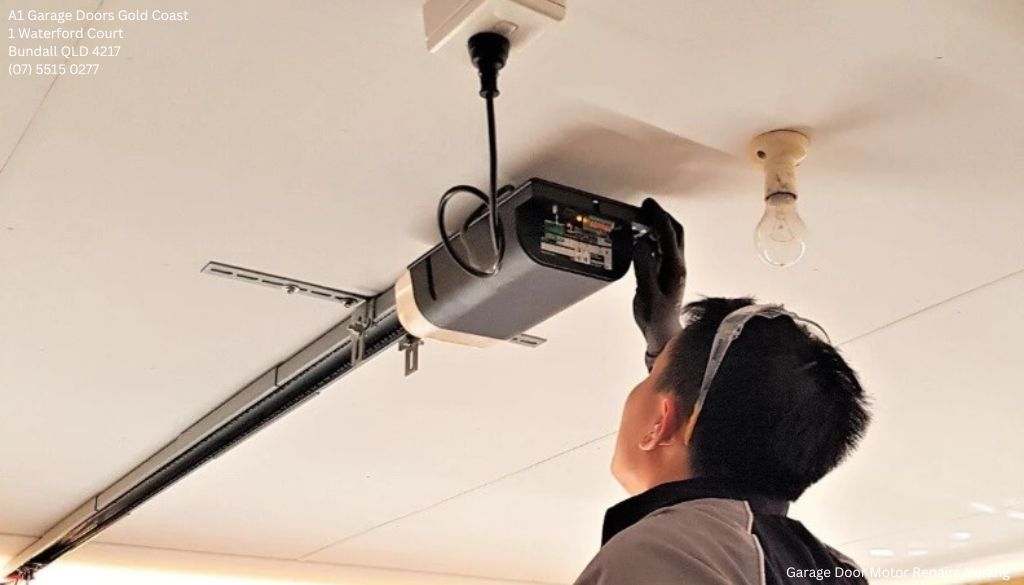
- Garage door opener motor servicing: Clean and lubricate moving parts; check wiring connections and replace worn gears or belts. Remote controls programming: Re-sync remotes or replace batteries to restore communication with the opener. Garage door keypads troubleshooting: Reset or reprogram keypad codes; inspect wiring and battery status. Automatic closer adjustments: Calibrate closing speed and force to improve safety and efficiency.
Maintenance Tips to Extend the Life of Old Garage Doors
Consistent maintenance preserves garage door functionality and prevents costly repairs down the line.
- Regular garage door maintenance routines: Schedule monthly visual inspections and functional tests of all components. Garage door lubrication schedules: Lubricate springs, rollers, hinges, and tracks every six months with appropriate lubricants. Garage door servicing frequency: Professional servicing every 1-2 years ensures underlying issues are detected early. Garage door weather seals replacement: Replace worn or cracked seals annually to maintain insulation and protect against drafts and moisture. Garage door insulation benefits for old doors: Add insulation panels where possible to improve energy efficiency and reduce noise.
Upgrading and Refurbishing Old Garage Doors
Refurbishment can give old doors a fresh look and improved functionality without the expense of full replacement.
- Old door refurbishing techniques: Strip old paint, repair damages, refinish surfaces, and replace weatherproofing to revitalise the door. Garage door upgrade options: Consider upgrading rollers to nylon bearings, installing quiet openers, or adding insulation kits. Garage door customisation ideas: Add decorative hardware, windows, or stylish paint colours to enhance curb appeal. Garage door security improvements: Upgrade locks, install modern security sensors, or add automatic locking mechanisms for better protection. Garage door styles and materials suitable for renovation: Wood, steel, aluminium, and composite doors can all benefit from tailored refurbishing approaches depending on their condition.
When to Repair vs Replace Your Old Garage Door
Knowing when repair is no longer viable helps you make cost-effective decisions and avoid ongoing problems.
- Evaluating garage door weight and structural integrity: Doors that have become warped or weakened may pose safety risks beyond repair. Cost comparison: repair vs door replacement: Assess the total estimated costs of parts and labour for repairs against the price of a replacement door. Signs that indicate the need for replacement: Persistent mechanical failures, extensive rust, rotted panels, or outdated safety features often warrant replacement. Benefits of new automatic garage doors over old manual ones: Modern doors offer enhanced security, convenience, quieter operation, and improved insulation.
Professional Garage Door Repair Services for Old Doors
Enlisting expert help can ensure safe, efficient, and lasting repairs, especially for complex or hazardous tasks.
- What to expect from garage door repairs: Comprehensive diagnosis, parts replacement, system tuning, and safety checks. Choosing a reputable garage door servicing company: Look for certified technicians, positive reviews, transparent pricing, and warranty offerings. Garage door inspection services: Professionals conduct in-depth inspections that detect hidden issues and provide detailed repair plans. Warranty and safety guarantees: Reliable companies back their repairs with guarantees that cover parts and workmanship. Emergency garage door repairs: Many providers offer prompt services for urgent problems such as broken springs or non-functioning openers.
Frequently Asked Questions (FAQ)
How do I know if my old garage door spring needs replacing?
If your garage door opens with difficulty, makes loud noises, or if you see visible gaps or rust on the spring, it likely requires replacement. Broken springs are also a clear sign.
garage door services A1 Garage Doors Gold CoastCan I repair garage door panels myself or should I hire a professional?
Minor dents and scratches can be repaired with DIY methods, but extensive damage, especially involving structural components, should be handled by professionals to ensure safety and quality.
What are the safety risks when adjusting garage door springs?
Garage door springs are under high tension and can cause serious injury if handled improperly. Without correct tools and experience, adjustments should be left to qualified technicians.
How often should old garage doors be serviced?
Older doors benefit from professional servicing every 1-2 years and routine maintenance like lubrication and inspections every six months.
What is the difference between torsion springs and extension springs?
Torsion springs are mounted above the door and twist to lift it, offering durability and smoother operation. Extension springs stretch along the sides and are generally less expensive but require safety cables.
How can I make my old garage door more secure?
Upgrade locks and handles, install modern security sensors, add automatic locking systems, and keep control systems updated to enhance security.
Is it worth refurbishing an automatic garage door that is over 15 years old?
Refurbishing can be cost-effective if the door’s structure is sound; however, very old openers might benefit from replacement to ensure safety and reliability.
Why is my old garage door making loud noises and how can I fix it?
Loud noises often result from worn rollers, dry hinges, unlubricated springs, or misaligned tracks. Lubricating parts and replacing damaged components usually resolves the issue.
In summary, repairing old garage doors requires careful diagnosis, targeted repairs, and regular maintenance to restore their function and appearance. Whether choosing DIY fixes or professional services, addressing springs, panels, rollers, openers, and weatherproofing systematically will extend your door’s lifespan and ensure safety. Upgrading and refurbishment options also provide cost-effective ways to modernise your door while maintaining its charm. If in doubt, consulting experts ensures your old garage door operates reliably for years to come.